The Founding Fathers and Fiduciary Fundamentals

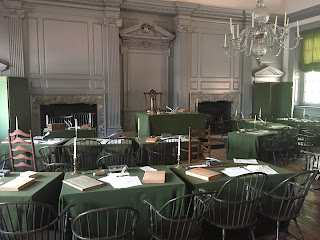
Anyone who has ever found their grand idea shackled to the deliberations of a committee, or who has had to kowtow to the sensibilities of a recalcitrant compliance department, can empathize with the process that produced the Declaration of Independence we commemorate this week. Not that the machinations of a plan committee can be fairly equated to the deliberations—or impact—of the Second Continental Congress, but there are some parallels. Things like… Committee members should understand their obligations—and the risks. Those who gathered in Philadelphia that summer of 1776 came from all walks of life, but it seems fair to say that most had something to lose. True, many were merchants (some wealthy, including President of Congress John Hancock) already chafing under the tax burdens imposed by British rule, and perhaps they could see a day when their actions would (eventually) accrue to their economic benefit. Still, they could hardly have undertaken that declaration of ...